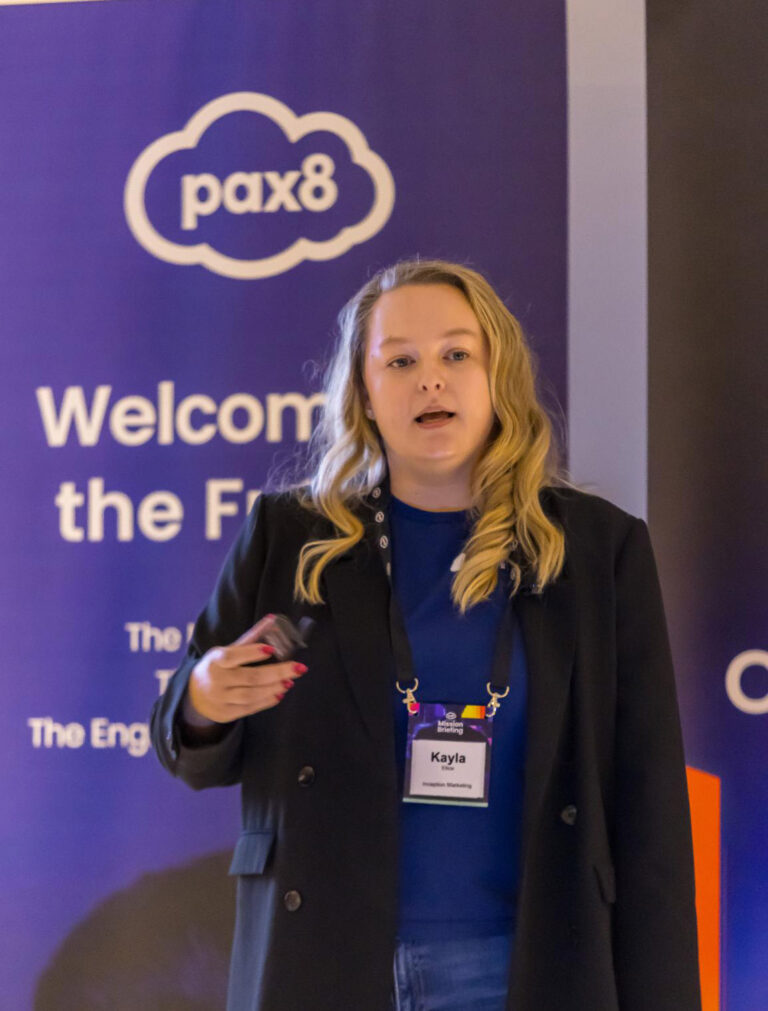
The room was full. The partner’s presentation landed. Three guests stayed back to ask questions. Then everyone went home, and the slides went into a folder nobody has opened since.
Most professional services firms treat that moment as the end. We think it’s where event content marketing should start. This guide gives you a checklist for what to capture on the day and a month-by-month plan that turns one 60-minute seminar into articles, partner LinkedIn posts, a newsletter series and short videos.
Why event marketing usually stops when the room empties
Look at where the effort goes. Weeks on the guest list, the venue, the catering and the reminder emails. Almost nothing is planned for the day after.
So the firm pays for the event, the partners give up an evening, and the only return is the people who were in the room. For a seminar of 40 guests, that’s a lot of cost for a small audience.
The fix is to plan the content before the event, the same way you plan the invitation. If nobody in the firm has the time to run it, this is the kind of work an outsourced marketing team does well. You can see the sectors we work with on our industries page.
What should you capture at a client event?
Capture a recording, good photos, every question the audience asks, a few quotable lines from each speaker and the final slides, with permission for each. Here is the checklist we use.
Before the day
- Get written agreement from each speaker to record their session and reuse it in your marketing.
- Tell guests on the invitation and at registration that the event will be recorded and photographed, and how you’ll use the material. Give them an easy way to opt out of photos.
- Add a clear opt-in to your marketing emails on the registration form.
- Give one person a single job on the night: capture.
On the day
- Record audio at a minimum, and video if you can. A phone on a tripod with a lapel microphone is enough for short clips.
- Take photos of the speaker mid-talk, the room before doors open and the partners talking with guests who are happy to be photographed.
- Write down every question from the floor, as close to word for word as you can. These become your posts and FAQs.
- Note three quotable lines from each speaker while they’re fresh.
Straight after
- Get the final slide deck, not the draft.
- Send the recording for transcription the same day.
- Ask the presenting partner one question while it’s still in their head: “What surprised you tonight?”
How to repurpose content from one seminar
Break the seminar into its three to five key points, then give each point its own article, a couple of LinkedIn posts and a slot in your newsletter.
One article per key point. Each runs 800 to 1,200 words and expands on what the partner said, with the examples they didn’t have time for on the night.
Partner LinkedIn posts from audience questions. A real question from a real client is the best opening line you’ll get. Post it from the partner’s own profile, not just the firm page. If the profile itself needs work, start with our guide to a LinkedIn profile for partners.
A client alert. If the topic involves a rule change, a short alert to clients puts the seminar’s thinking in front of the people who couldn’t come.
Short videos. Two or three clips of 30 to 90 seconds, each making one point.
A website FAQ. The Q&A becomes a set of answers on the relevant service or industry page, which helps with search and with AI tools that look for direct answers.
Transcription, first drafts and clip selection are where AI agents save the most time. Keep a person in charge of every final version, and keep client names out of public tools.
A six-month event content marketing calendar
Spread the content over six months so the event keeps working long after guests have forgotten the date. This plan assumes one seminar with four key points.
| Month | Website | Other | ||
|---|---|---|---|---|
| 1 | Event recap article with photos | Thank-you post from the presenting partner, plus two photo posts | Thank-you email with slides to guests; “what you missed” to contacts who have opted in | 60-second highlight video |
| 2 | Article on key point 1 | Two partner posts built from audience questions | Newsletter feature on key point 1 | Clip 1 |
| 3 | Article on key point 2 | Two partner posts | Newsletter feature on key point 2 | Clip 2 |
| 4 | FAQ section built from the Q&A | “The question everyone asked” post | Newsletter: the top three questions | Client alert, if the topic involves a rule change |
| 5 | Article on key point 3 | Two partner posts | Newsletter feature on key point 3 | Clip 3 |
| 6 | Article on key point 4, linking back to the whole series | Post announcing the next event | Invitation to the next event, with a link to the recap | Review what worked |
By month six, one evening has produced five articles, 11 LinkedIn posts, four newsletter features, a set of FAQs and several videos. It also gives you a reason to invite people to the next one.
Our view: the follow-up is worth more than the event
The cost of an event is spent by the time the last guest leaves. Venue, catering, partner time: all gone. The only thing you can still change is how much you get back.
A seminar is often the one time a firm’s partners explain their best thinking out loud, in plain English, to real clients, with real questions from the floor. That is the hardest content to create, and you already have it. Letting it sit in a folder is the expensive part.
We’d go further. If your firm can’t commit to the follow-up, run fewer events and do each one properly.
Post-event marketing for the people who came, and those who did not
Thank guests within a day or two with the slides and one clear next step, and send people who missed out a short “what you missed” only if you have their consent to email them.
For the people who came. Send the thank-you, the slides or recording, and one offer. That might be a short call to talk about their situation, or early registration for the next event. The guests who stayed back to ask questions deserve a personal email from the partner, not the group send.
For the people who didn’t. Clients and contacts who have opted in to your emails can get a short summary with a link to the recap article. Prospects you met once at another event are a different matter. Under the Spam Act, commercial emails need consent, so check before you add anyone to the list.
Track the right things. Headcount on the night tells you very little. Meetings booked, matters or clients you can trace back to the event, and replies to the follow-up content tell you far more.
Frequently asked questions
How long after an event should you follow up?
Follow up within one to two days. Send the thank-you email and slides while the session is still fresh, then let the six-month content plan carry the conversation from there.
Can we record a client seminar?
You can usually record a client seminar if speakers agree, guests are told in advance and people can opt out of being filmed or photographed. Recording, privacy and consent rules can vary by state and by situation, so check with your compliance or legal team before the event.
What is the best content to create from a webinar?
The best content from a webinar is usually a short article on each key point and LinkedIn posts built from the audience’s questions. Both keep the speaker’s voice and answer questions real clients are asking.
How do you measure the return on a client event?
Measure meetings booked, new clients or matters traced back to guests, and engagement with the follow-up content over six months. Attendance alone doesn’t show whether the event paid for itself.
Get more from your next event
Want a team to plan the capture, write six months of content and run the follow-up? That’s what our outsourced marketing service does.